
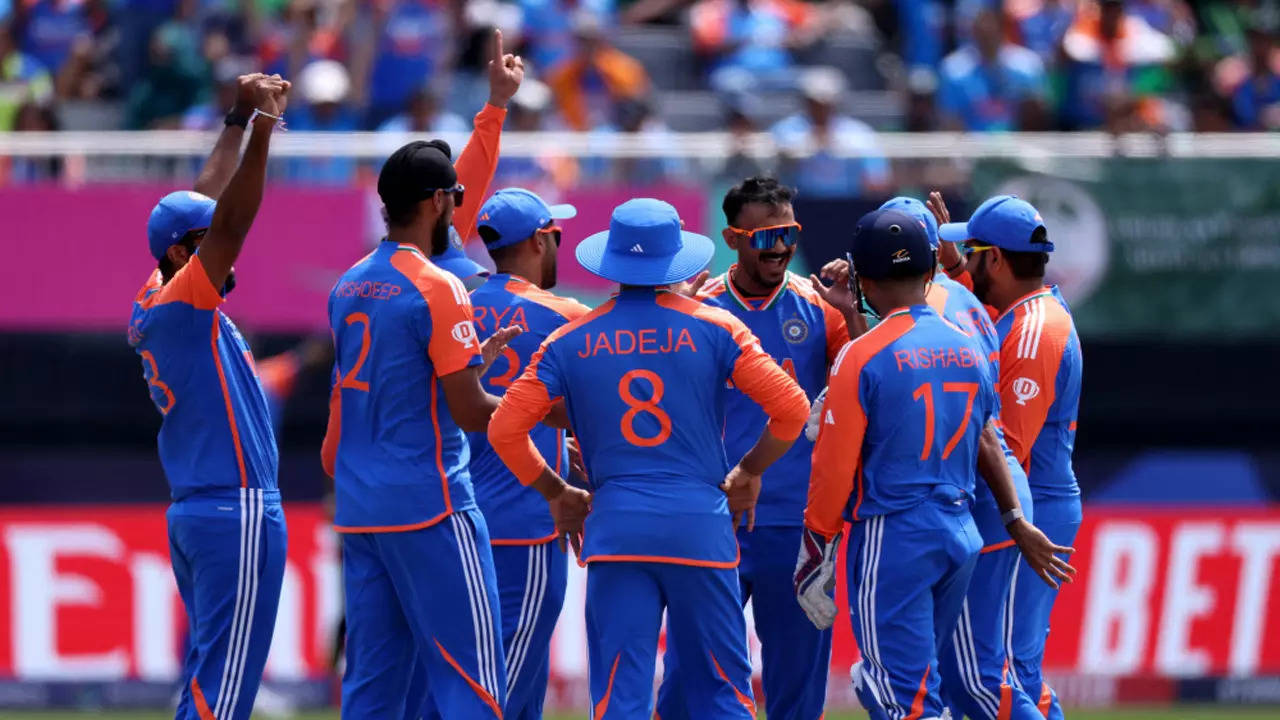
The Ultimate Guide to Getting Your Online Cricket ID: Benefits, Process, and Choosing the Right Provider
Cricket has evolved from a traditional pastime to a digitally powered sport, where player statistics, match records, and eligibility are tracked in real time. Central to this transformation is the Online Cricket ID. Much like a passport for the modern cricketer, this unique identifier streamlines registration, ensures secure data sharing, and enhances the overall integrity of the game. In this comprehensive guide, we explore what an Online Cricket ID is, why it matters, the step‑by‑step acquisition process, and how to select a trustworthy Online Cricket ID Provider that meets your needs.
What Is an Online Cricket ID?
An Online Cricket ID is a secure, alphanumeric code assigned to each registered player, coach, or official within the cricket ecosystem. It serves as a digital fingerprint, linking the individual to a centralized database that contains personal details, career statistics, disciplinary records, and eligibility criteria for domestic and international competitions.
- Uniqueness: No two IDs are the same, eliminating duplication.
- Portability: The ID can be used across multiple platforms—state associations, the Board of Control for Cricket in India (BCCI), franchise leagues, and even overseas clubs.
- Security: Encrypted storage safeguards personal data against unauthorized access.
In essence, the Online Cricket ID acts as a single source of truth for anyone involved in the sport.
Why Players and Administrators Need an Online Cricket ID
There are several compelling reasons why an Online Cricket ID has become indispensable:
- Fast Registration: Players no longer need to fill out repetitive paperwork when moving between teams or leagues. The ID auto‑populates essential details.
- Eligibility Verification: Tournament organizers can instantly confirm whether a player meets age, residency, and disciplinary criteria.
- Statistical Accuracy: All runs, wickets, and performance metrics are correctly attributed, reducing errors in databases such as Cricinfo and Cricbuzz.
- Transparency: Fans, sponsors, and media gain confidence in the integrity of competition data.
- Career Management: Players can track their progress, receive personalized development suggestions, and manage contracts.
The Evolution Behind the Online Cricket ID
The concept emerged in response to challenges faced by cricket boards worldwide. Historically, player documentation involved cumbersome physical forms, which led to delays, lost records, and fraud. With the rise of digital governance and the need for real‑time data, governing bodies introduced the Online Cricket ID to modernize the administrative infrastructure. Over the past five years, adoption has surged, with over 2‑million registered users across India, Australia, England, and South Africa.
Key Features of a Robust Online Cricket ID System
When evaluating any system, consider the following attributes that differentiate a high‑quality platform:
- Biometric Integration: Some providers incorporate fingerprint or facial recognition to add an extra layer of authentication.
- API Compatibility: Seamless integration with league management software, ticketing platforms, and scouting tools.
- Real‑Time Updates: Instant synchronization of player status changes, such as injuries or suspensions.
- User Dashboard: A self‑service portal where users can view, edit, and download their information.
- Data Privacy Compliance: Alignment with GDPR, Indian IT Act, and other regional privacy regulations.
Step‑by‑Step Guide to Obtaining Your Online Cricket ID
Acquiring an Online Cricket ID is straightforward, especially when you work with an accredited Online Cricket ID Provider. Follow these steps to ensure a smooth application:
1. Gather Required Documentation
Prepare the following documents in digital format (PDF or high‑resolution images):
- Proof of identity (Aadhar card, passport, or driving license).
- Proof of age (birth certificate or school ID).
- Recent photograph (passport size, white background).
- Any existing cricket registration certificate, if applicable.
2. Choose a Certified Provider
Not all entities can issue an Online Cricket ID. Verify that the provider is recognized by your national cricket board or the International Cricket Council (ICC). Look for the provider’s accreditation badge on their website and read user reviews.
3. Complete the Online Application Form
Navigate to the provider’s registration portal and fill out the form. Required fields typically include:
- Full name and common name.
- Contact details (phone, email).
- Address (permanent & current).
- Preferred playing role (batsman, bowler, all‑rounder, wicket‑keeper).
Upload the documents from step 1 and click “Submit.” Most platforms perform an automated verification within 24–48 hours.
4. Verification and Approval
During verification, the provider cross‑checks your documents against government databases and cricket association records. If any discrepancy arises, you’ll be notified to correct it. Upon successful verification, you receive an official confirmation email containing your unique Online Cricket ID number.
5. Activate Your Account
Log in to the provider’s dashboard using the credentials sent in the confirmation email. Set a strong password, enable two‑factor authentication (2FA), and complete your profile by adding additional details such as batting style, bowling style, and preferred domestic league.
6. Link the ID to Relevant Platforms
Most cricket boards provide a portal where you can link your Online Cricket ID to your player profile. Likewise, franchise leagues and coaching academies often have an “Add ID” option in their registration modules.
Choosing the Right Online Cricket ID Provider
While the process is relatively uniform, the service experience can vary widely. Below are key criteria to evaluate when selecting a provider:
Reputation and Accreditation
Research the provider’s history. An established provider will have clear endorsements from national boards, a transparent privacy policy, and a track record of successful registrations.
Customer Support
Prompt, knowledgeable support can make a difference, especially if you encounter issues during verification. Look for providers offering live chat, email, and phone support, as well as an extensive FAQ.
Pricing Structure
Most providers charge a nominal fee (often between INR 500–1500) for processing and verification. Beware of hidden costs; the fee should be disclosed upfront.
Technology Stack
Providers that invest in modern infrastructure—cloud hosting, encryption, and API connectivity—ensure faster processing times and better integration with third‑party platforms.
User Experience
A clean, intuitive interface reduces the chance of errors. Test the registration portal before committing; easy navigation indicates a provider that values user experience.
Case Study: How an Online Cricket ID Transformed a Regional League
In 2023, the Karnataka State Cricket Association (KSCA) partnered with a leading Online Cricket ID Provider to digitize player registrations for the Karnataka Premier League (KPL). The results were remarkable:
- Registration Time Reduced: Average processing dropped from 7 days to under 48 hours.
- Eligibility Accuracy: No incidents of over‑age players participating, as the ID automatically flagged discrepancies.
- Data Analytics: The league gained insights into player performance trends, aiding talent scouting.
- Fan Engagement: Fans accessed a live database to view verified player stats, boosting viewership.
This example underscores how a reliable Online Cricket ID system can elevate both operational efficiency and stakeholder confidence.
Potential Challenges and How to Overcome Them
While the advantages are clear, certain challenges may arise:
Data Privacy Concerns
Some users worry about sharing personal data online. The solution lies in selecting a provider that adheres to strict data protection standards and offers transparent consent mechanisms.
Technical Glitches
Occasional server downtime can hinder the registration process. Opt for providers with robust uptime guarantees (99.9% or higher) and a responsive technical support team.
Misuse of IDs
There is a risk of identity theft if IDs are shared indiscriminately. Implement two‑factor authentication and educate users on safeguarding their credentials.
Future Outlook: The Role of Online Cricket IDs in Emerging Technologies
The evolution doesn’t stop at basic identification. As cricket embraces technologies such as AI‑driven performance analysis, VR training, and blockchain‑based contract signing, the Online Cricket ID will serve as the central node linking all these innovations.
- Blockchain Integration: Storing the ID on a decentralized ledger could ensure immutable records of player contracts and transfer histories.
- AI Personalization: Coaches could feed the ID into machine‑learning models to receive tailored training plans.
- Virtual Reality Audits: Scouting sessions conducted in VR could automatically tag the participant’s ID, creating a seamless data trail.
Thus, investing in a reputable Online Cricket ID Provider today prepares players and administrators for the digital cricket landscape of tomorrow.
Conclusion
The Online Cricket ID has quickly become a cornerstone of modern cricket administration, offering speed, security, and transparency for every stakeholder. By understanding the benefits, following the simple acquisition steps, and carefully evaluating an Online Cricket ID Provider, players and officials can ensure they remain compliant, competitive, and ready for the sport’s next technological wave. Embrace this digital identity today, and experience a smoother, more connected cricketing journey.